‘Connect – Promote – Protect’
Oct 2026
Special Events
Wed 14 Oct 10am-2pm
See original artworks, stunning floral displays and a unique blend of art and nature.
Mt Coot-tha Auditorium
💮Guided walk – Threatened & Endangered Plants
Wed 21 Oct 10am – 11:30am
Explore a fascinating collection of threatened and endangered plants.
Information Kiosk, City Botanic Gardens, Brisbane
💮Friends Christmas Picnic Party
Sun Nov 22 2026, 11am-2pm
Rocks Riverside Park. RSVP for catering to secretary@fbbgsa.org.au
Regular Events
💮Every Monday: Nature Walks, different locations, usually 7:30am in summer. Contact Anne on 0408 093 307
💮Every Tuesday: Plant Propagation at Rocks Riverside Park, 17 Mile Rocks, 8:30am. Register
💮Last Sunday of the Month: Plant Sale, 8:30am-11:30am outside the Visitors Centre, Mt Coot-tha Botanic Gardens
💮Last Sunday of the Month: Explore with Friends, 9am, meet at the Visitors Centre, Mt Coot-tha Botanic Gardens
💮First Friday, every two months. City Gardens Plant Sales
Next sale Fri 6 Nov; then in February
💮 The Kitchen Garden Volunteering crew are having a break for the rest of this year.
For further details about all of these events, see our Events Calendar
Brisbane Council Botanic Gardens Events
See BCC’s calendar of events for a range of events and workshops.
From Julie
With only 3 months to go to finish 2026 (oh, and Xmas is in there somewhere too!) FBBGSA is starting planning ideas for 2027 events. I asked the group who helped with the Ekka this year, and they said yes to the idea for 2027. Personally I wish to thank everyone who nominated to do 4 hour stints at the Ekka and especially those volunteers who may not have been “regulars” at our events.
Whilst we won’t have the Anniversary to celebrate as we did this year we feel the podcasts generated many people’s interest in FBBGSA. Check out Ross McKinnon’s podcast uploaded this month on our website. So we will continue them in 2027. Any 2027 ideas are welcome – no plan is set yet anyway….
The good news from the AGM held in September is that we had 15 people attend including 2 botanic artists. As Prue, the Curator, was unwell and unable to attend, we were able to discuss the needs of the artists and their interest in bringing more of their members into our organisation. Welcome to these members and all of the other new members (40 over the 12 months to 30 June 26) – we are very pleased you have joined us. [Ed: See feature article below about new member and botanical artist Joanna Thomas].
The new Committee now includes myself, Julie as Director/ President; Mary Jane Streeton as the new Secretary; Mary Jo as Assistant Secretary (and looking after the Rocks Riverside Park Shadehouse and propagating); and Ron Horst who has come out of the Shadows and is now the Treasurer. Ron was always around Rob Mills when she was doing the Treasurer role and has finally decided to take the mantle. He also has some IT skills which helps reduce our costs in this area.
We are having an exhibition of botanic artworks produced by our artist members on 14 October from 10am till 2 pm on that Wednesday only. A few floral artists are going to make arrangements to match the artwork, for something different. So please come along to this event and bring your friends. We will have a raffle (a flowering orchid we have propagated after Ros kindly donated several of these to the group).
Another must-do event is our Xmas Party to be held at the Rocks Riverside Park near our Shadehouse (past the Community Gardens and close to the river) on Sunday 22 November from 11am. Leticia will be doing some watercolour sessions, there will be plants, swapping of gardening books and of course food and drinks. Again bring a friend and please RSVP to Secretary@fbbgsa.org.au so we can ensure our catering (lunch and drinks) has the correct numbers. I look forward to meeting you all then!
✍️ Julie ✍️
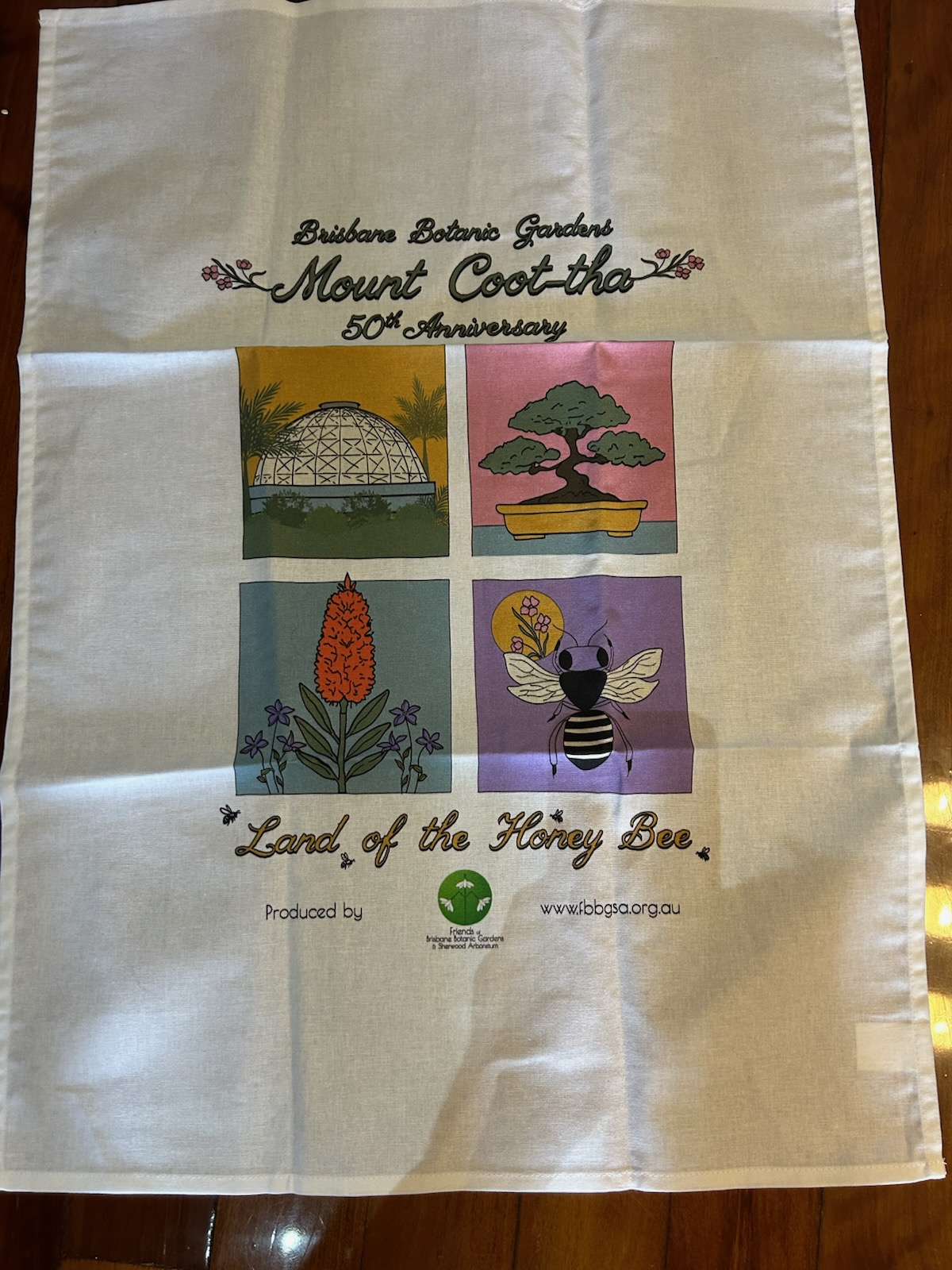
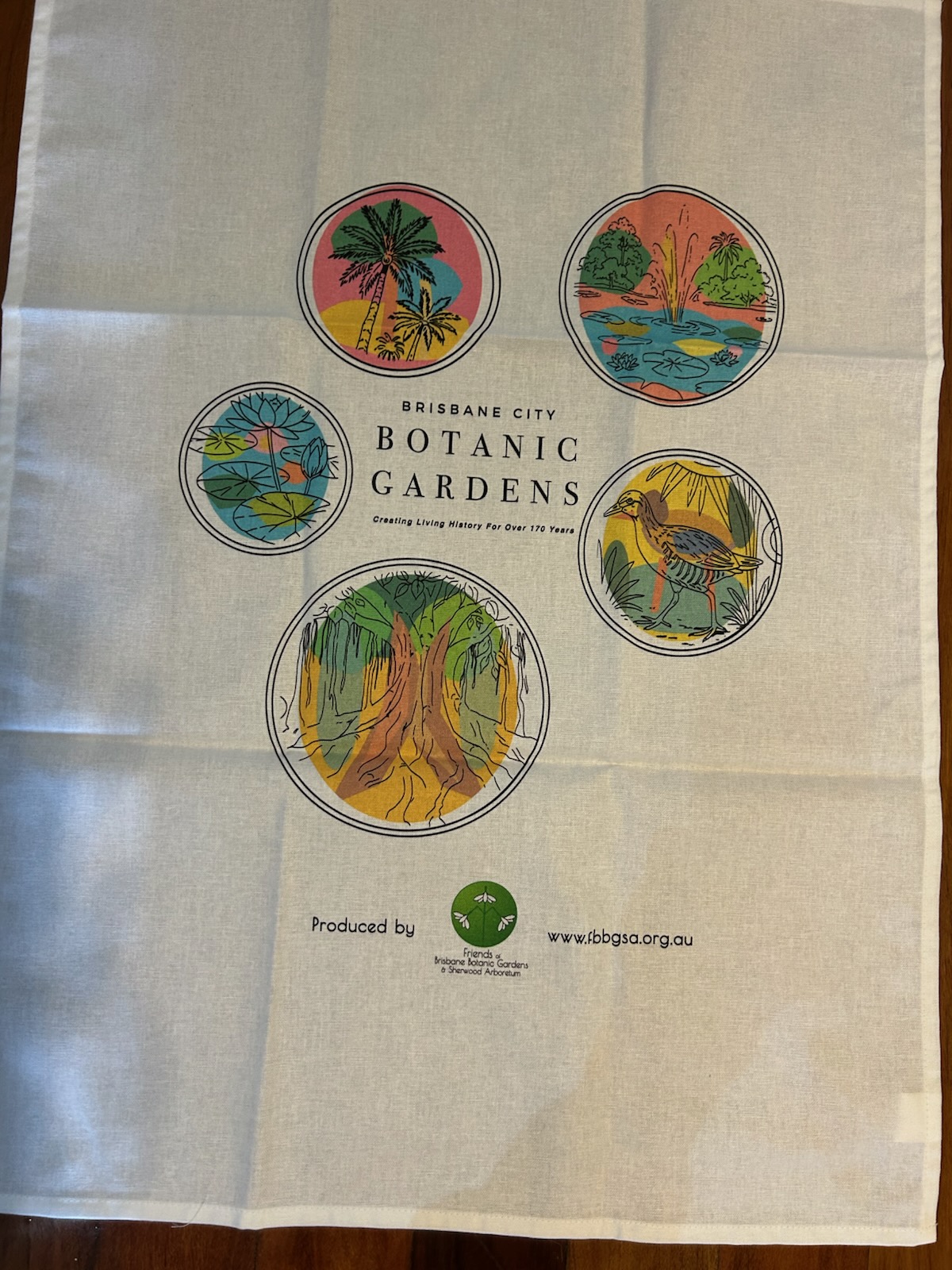
Tea towels – the perfect gift
Members can order tea towels to support the 50th Anniversary of Mt Coot-tha Botanic Gardens or the City Botanic Gardens. Cost $22.
If you are interested in a tea towel please send your request to secretary@fbbgsa.org.au: bank transfer details, delivery address or pickup from Julie.
Christmas get together
Sunday November 22nd at 11am is the Christmas break-up which will be held at the Greenhouse (Rocks Riverside Park, Seventeen Mile Rocks). It’s a chance to view our work at the greenhouse and buy some of our special plants as well as enjoying an hour or so by a beautiful stretch of the river. This event is open to members AND their friends. Lunch and drinks will be supplied so please register at secretary@fbbgsa. org. au . Soooo bring friends , a chair and maybe a trolley to take your plants home!! From the car park it is a five minute walk to the greenhouse.
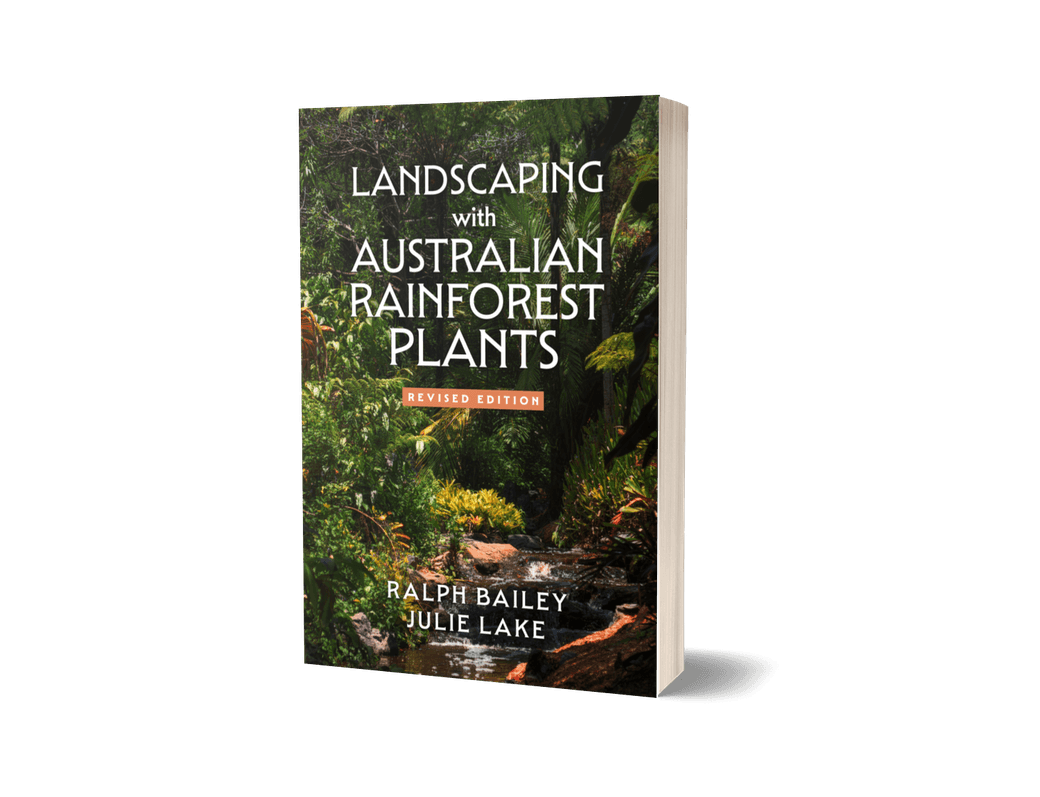
Landscaping with Australian Rainforest Plants
Whether you are interested in Australian native plants yourself, know a keen gardener, or are looking for a distinctive gift, this is a
substantial and beautifully illustrated Australian reference book, lovingly brought back into print for a new generation of readers.
First published more than 30 years ago, Ralph Bailey and Julie Lake’s widely valued guide has now been thoroughly revised and expanded as “Landscaping with Australian Rainforest Plants.” This new 200-page, full-colour edition covers more than 500 Australian rainforest plants, combining practical horticultural information with guidance on plant selection and landscape use.
Advance orders are now open, with 15% off RRP. https://www.ausapress.com/p/9781923114241/
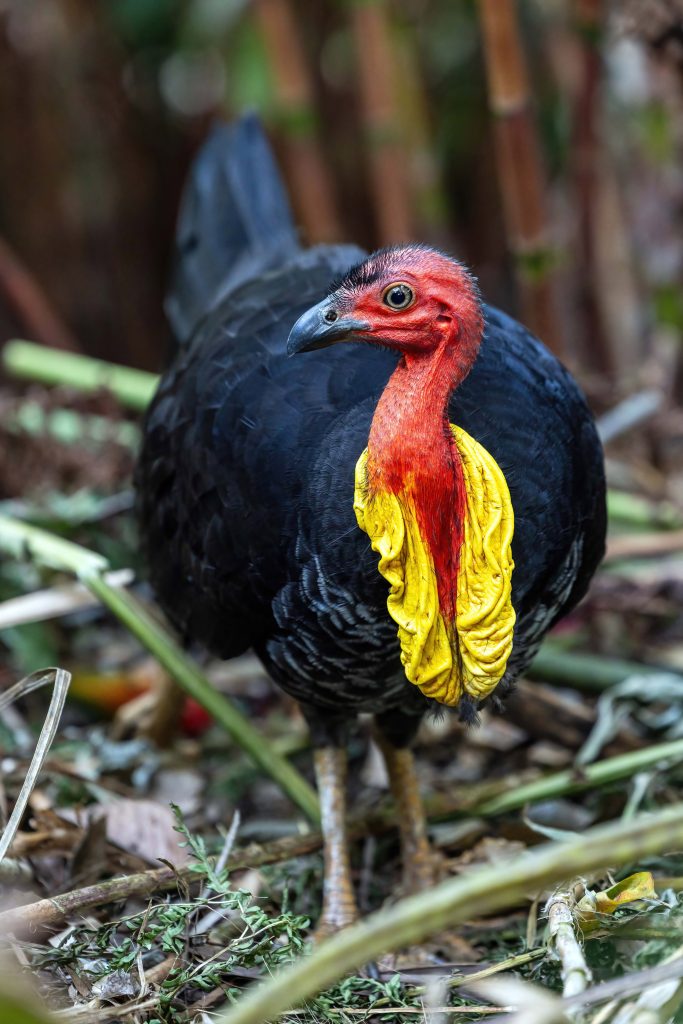
Urban Gardening on Small Lots
This website from the United States, though aimed at people who are having trouble with deers invading their gardens, provides a number of useful tips for coping with pests when growing small gardens in an urban environment. We may not have a deer problem, but we probably have a problem with Alectura lathami!

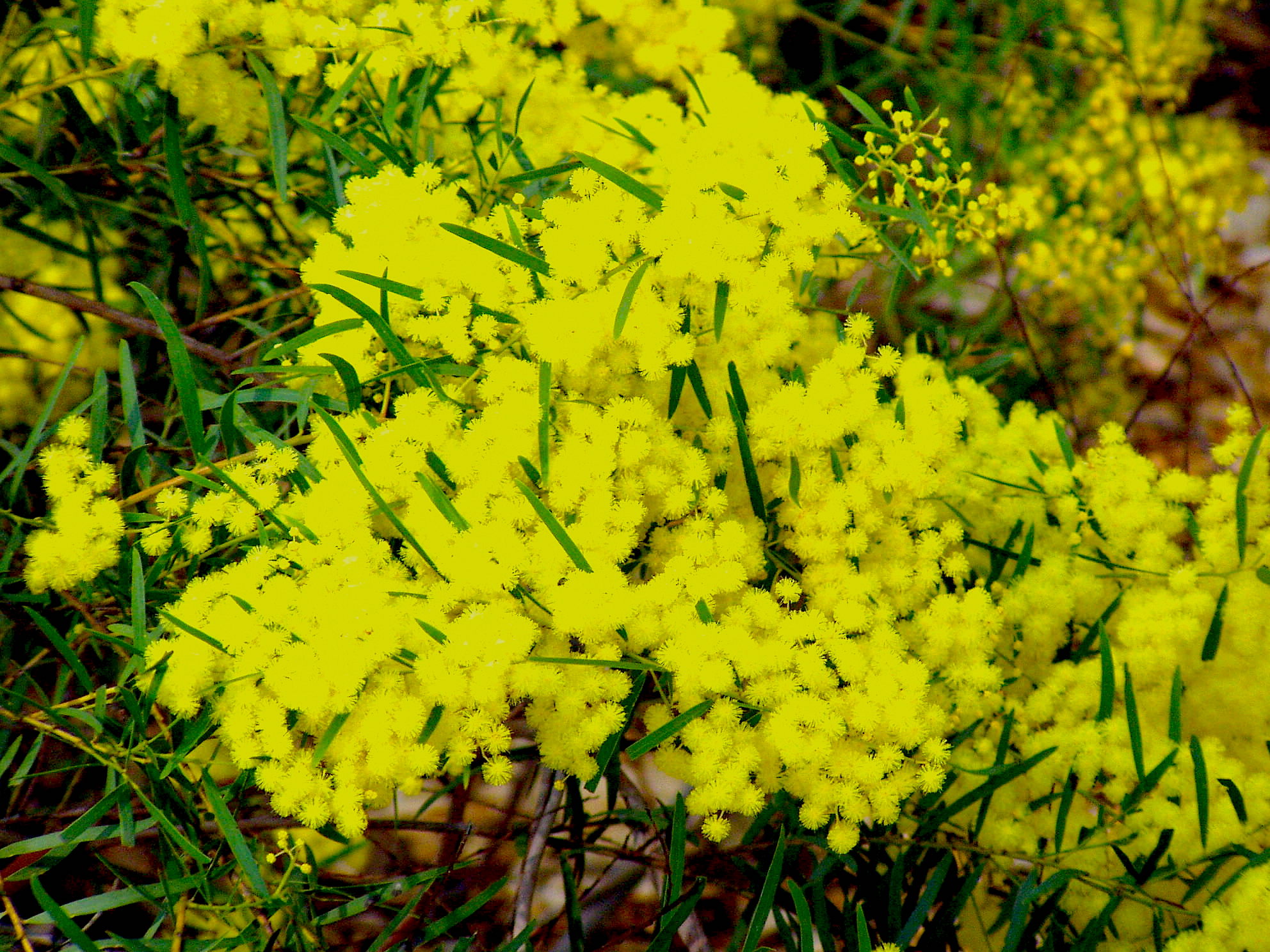
Green and Gold for the Olympics
Queensland Wattle Association (FBBGSA member Mike Gilmour) encourages the planting of wattles NOW and over the next two years, to ensure green and gold in our parks, road verges and home gardens, to welcome athletes and visitors to the 2032 Brisbane Olympic and Paralympic Games.
QWA needs thousands of seeds to propagate seedlings to distribute to the community.
Your help with collecting seeds would be really appreciated. Seeds are generally ready for collecting when pods change colour from green to dark brown, or are dry and papery, the pods splitting, seeds are hard, dark brown or shiny black. If you remove the seeds from the pods that will help us enormously.
Preferred varieties are: Brisbane Golden Wattle (A. fimbriata), Queensland Silver Wattle (A. podalyriifolia), Glory Wattle (A. spectabilis), Curracabah/ Black Wattle (A. concurrens), Late-flowering Black Wattle (A. crassa subsp. crassa), Rush-leaved Wattle (A. juncifolia), Coastal Wattle (A. sophorae), Sweet Wattle (A. suaveolens)
Seeds can be posted to PO Box 28 Red Hill QLD 4059. Please also provide your name, email and phone number; and the variety of wattle, the location where you collected the seeds, and the date of collection.
Botanical Art displayed in Melbourne
Member Joanna Thomas was selected to display her botanical art in the prestigious biennial exhibition “The Art of Botanical Illustration”, presented by the Friends of the Royal Botanic Gardens Melbourne from 19 September until 4 October. Joanna’s beautiful illustration of the Cooktown orchid was one of many significant works in this exhibition. The exhibition has closed, but you can view the works online: 18th Exhibition of The Art of Botanical Illustration
We look forward to more from Joanna and her colleagues from Brisbane Botanical Artists.
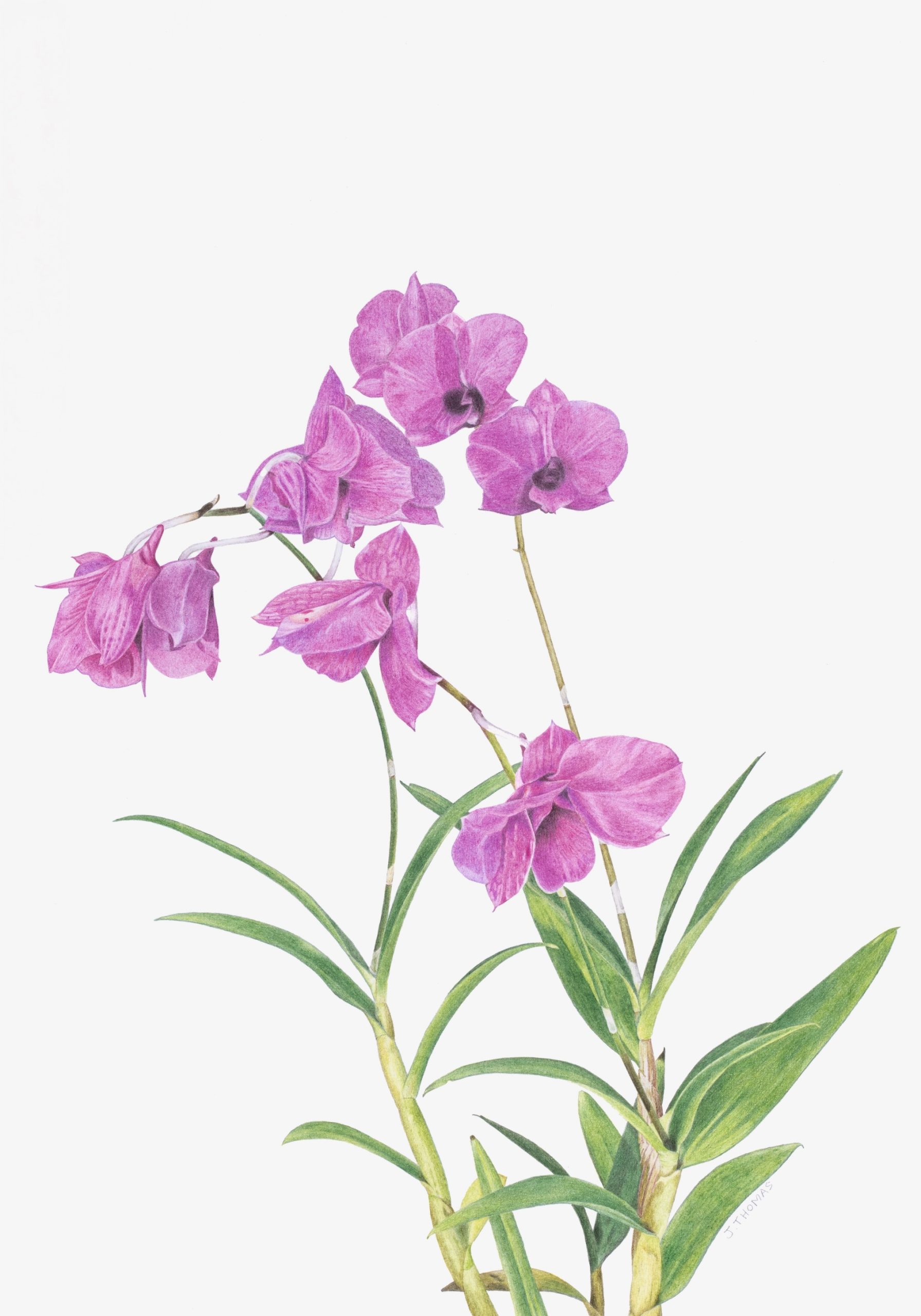
Cooktown orchid by Joanna Thomas
Leaf Cutter Bee project
Shelton’s Apiaries is promoting an Australian native bee – Megachile, commonly known as the Leaf Cutter Bees – for pollination of crops in subtropical/tropical Queensland. Australian Native Bees are not susceptible to Varroa Mites.
They are a “solitary” bee, which describes their nesting habits and life cycle. They lay their own eggs and only gather enough nectar to keep themselves alive, and enough pollen to store in their nests for their offspring to eat when they are developing. Being so independent, they have evolved as extraordinary pollinators.
Female Leaf Cutters are very particular where they lay their eggs. When they do find a suitable “nesting tunnel”, they generally lay about 8-10 eggs per tunnel, in up to three tunnels if they are available. These tunnels have to be of a certain diameter, length and orientation, and they need to be only a hundred metres from a good source of pollen and nectar, and near the particular plant leaf species that are acceptable to the Leaf Cutter for nesting. Leaf Cutters methodically cut a moon shaped piece out of a leaf to build their nests, which they carry back to line their nest cavities and make several “leaf” cocoons in which to lay their eggs and store food (pollen) for their larvae. When they have finished laying eggs in their nest tube, they cap it off at the end with those same special leaves.
Shelton’s Apiaries is offering free nesting hotels to encourage bee populations. Participants keep and return nests, helping restore declining bee numbers, reduce Varroa mite risks, and enhance crop pollination:
1/ We provide free of charge, tailored made Leaf Cutter nesting “hotels” shipped free to your door.
2/ You are then able to attract, study and enjoy the amazing Leaf Cutters, and other native pollinators, that come to nest in your patch and pollinate your plants.
3/You keep one complete Leaf Cutter nesting “straw” which will ensure the ongoing presence of Leaf Cutters in your garden.
4/ You contribute to the sustainability of our farmers by returning the excess Leaf Cutter nesting straws ie. any Leaf Cutter nesting straws which have been populated besides the one for you to keep, in a self-addressed postage paid envelope provided.
5/ You keep the Leaf Cutter nesting hotel, and experience the Leaf Cutters emerge for next season, when it all begins over again.
If this sounds interesting, email your postal addresses to Trevor Shelton at erniech@bigpond.com and he will send your complimentary Leaf Cutter Hotels to you.
Director Julie contacted the Qld Beekeepers Association about this offer. QBA advised that Leafcutter bees are buzz pollinators, so the range of crops is limited, tomatoes and possibly lucerne, and definitely no good for honey production. It is believed they do not fly at temperatures below 21C. QBA states that whilst the endeavour is worthy, it has yet to be commercially achieved in Australia.
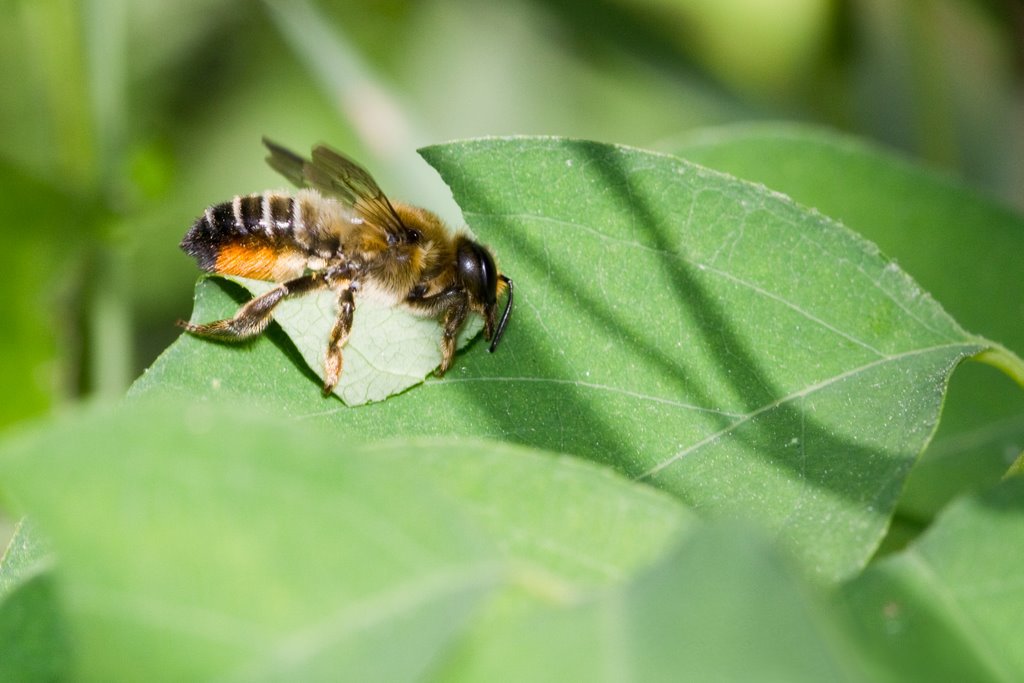
Photo from Wikipedia by Bernhard Plank – SiLencer – CC BY-SA 3.0
Good news items
Sometimes our ongoing advocacy to protect our Gardens seems endless, so it’s worth reading the good news:
❤️Underwater gardening restoring Tasmania’s lost kelp forests [abc article]
❤️Neighbours in Sydney’s north-west fringe have banded together to create a 40-hectare wildlife corridor using their land that borders the Wollemi and Blue Mountains national parks. [abc article]
Monday Nature Walks
During the last month, Monday Nature Walks have literally taken us north, south, east and west. We have enjoyed walking in:
- the Eastern Escarpment at Mount Cotton.
- Karawatha Forest – the southern section at Illaweena St
- Hardings Paddock, part of the Flinders Goolman Conservation Estate
- Forgan Park at Lake Samsonvale
- and Moggill Conservation Park.
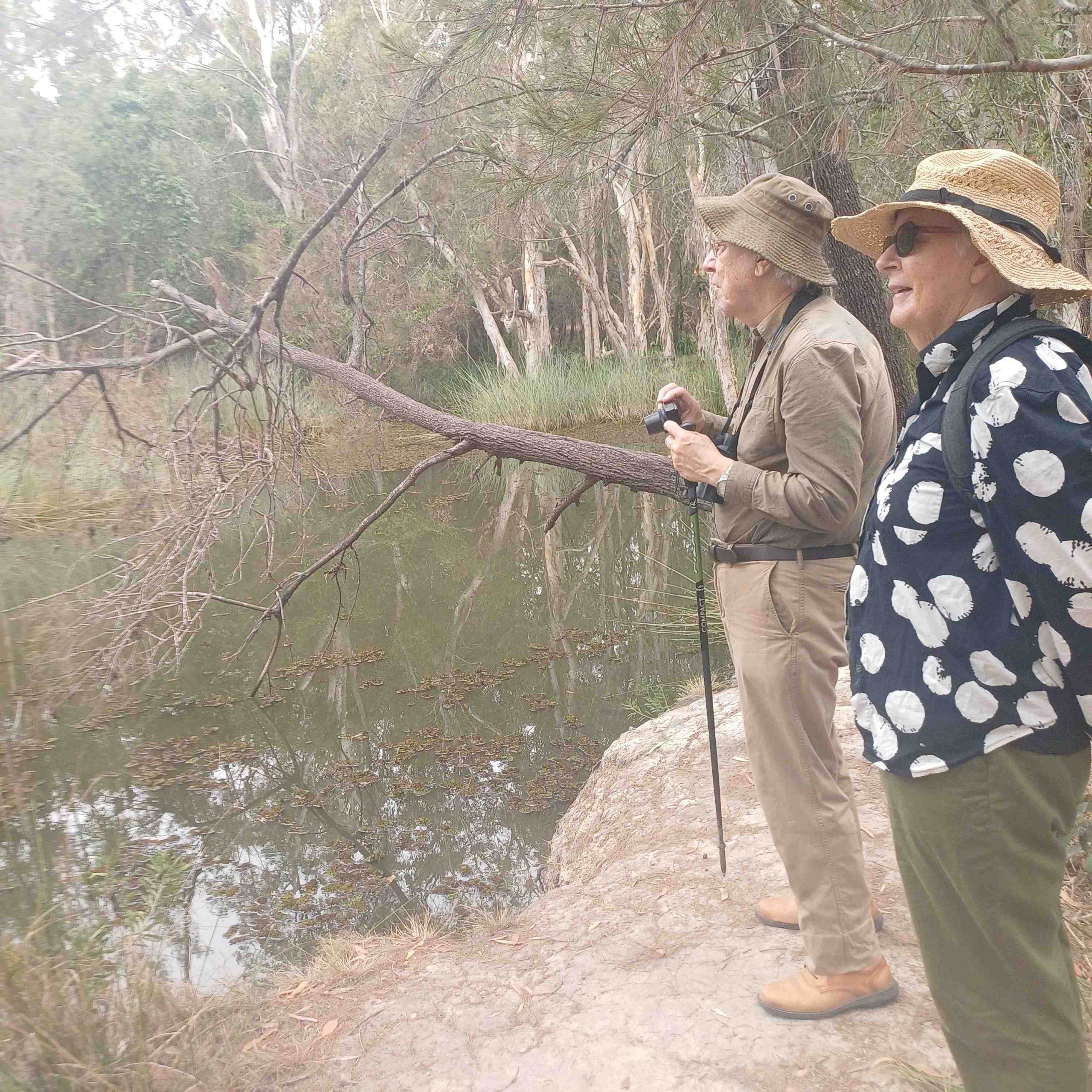
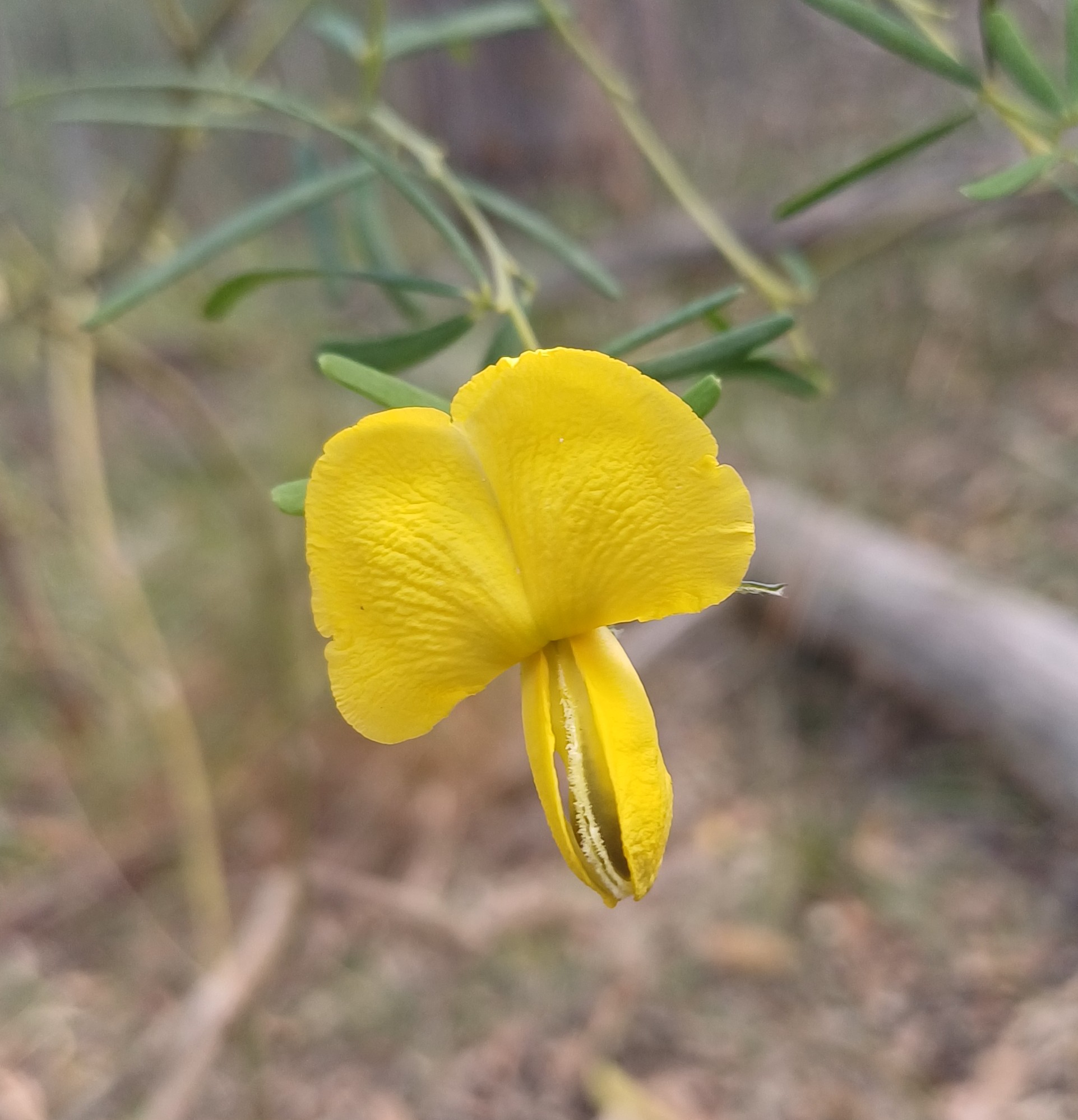
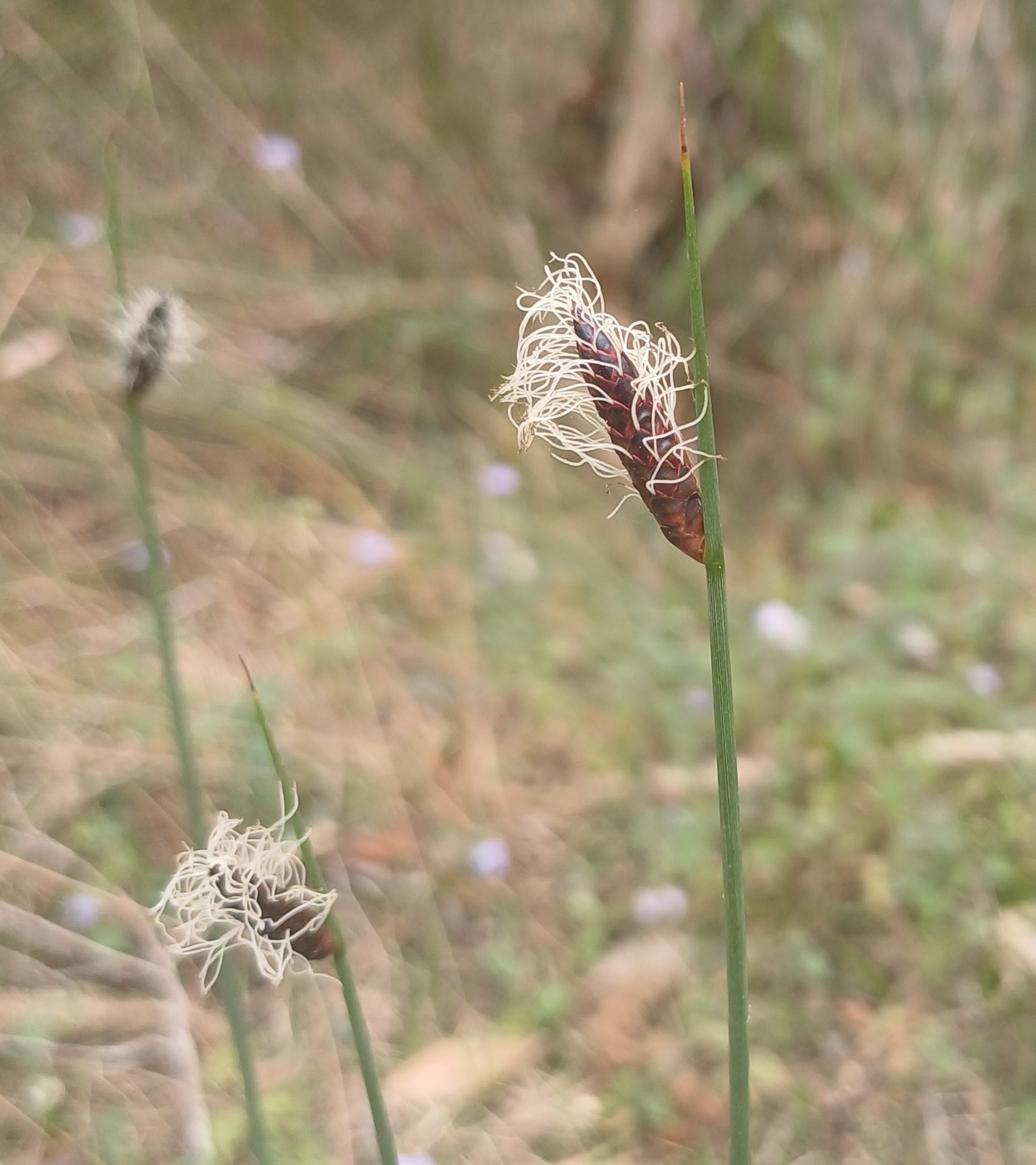
We’ve walked around lakes, up mountains (well, hills at least!), along dry creek-beds, and along rocky ridges. But mostly all on well-defined walking tracks, so don’t be daunted! In each different location, it is always interesting to observe the variety of trees and smaller plants that favour each area. We’ve noticed the impacts of the prolonged dry weather – many fewer of the small heath flowers and other small spring flowers than we have seen in previous years. Hardy species such as the Xanthorroea don’t seem fazed though.
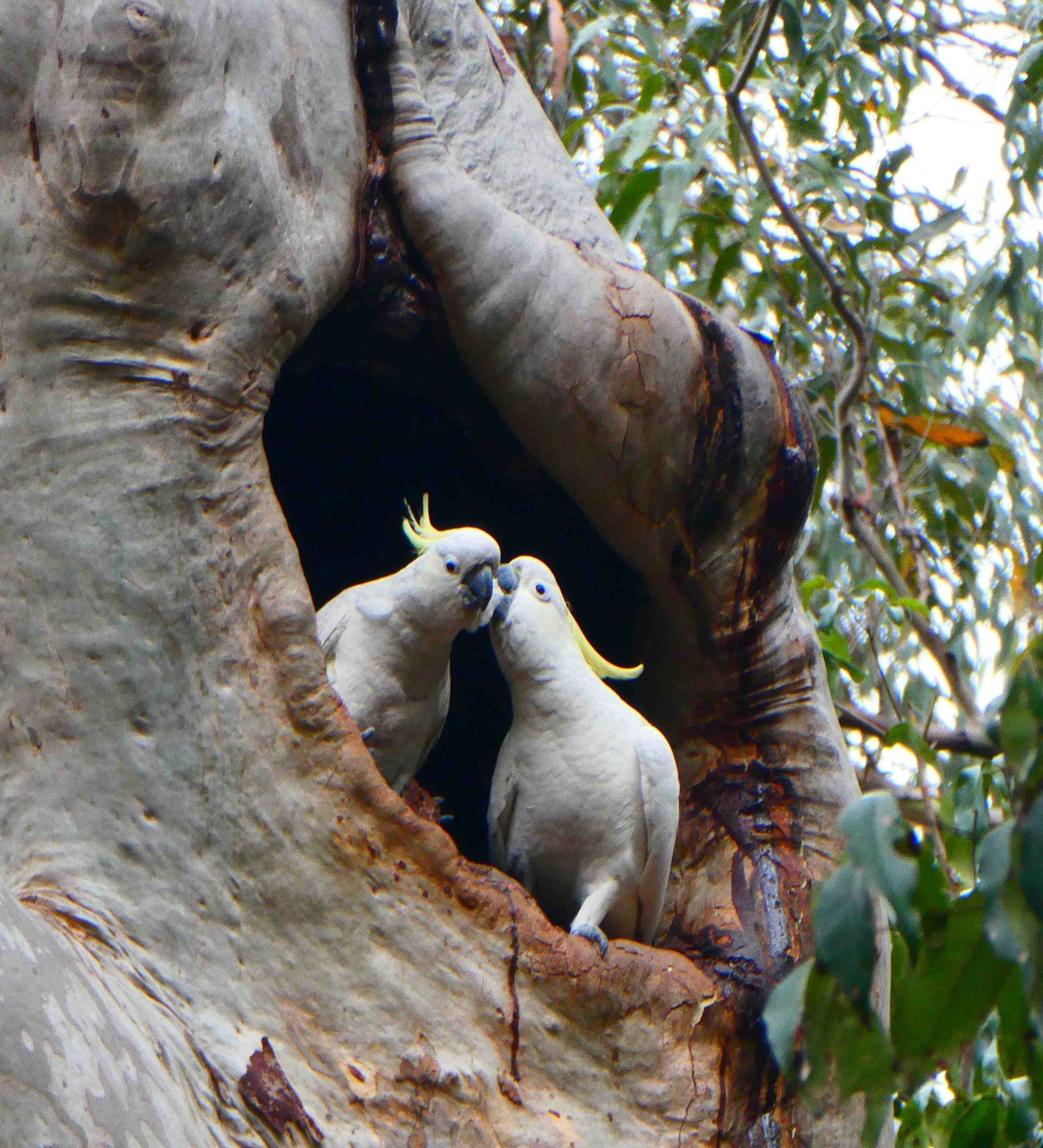
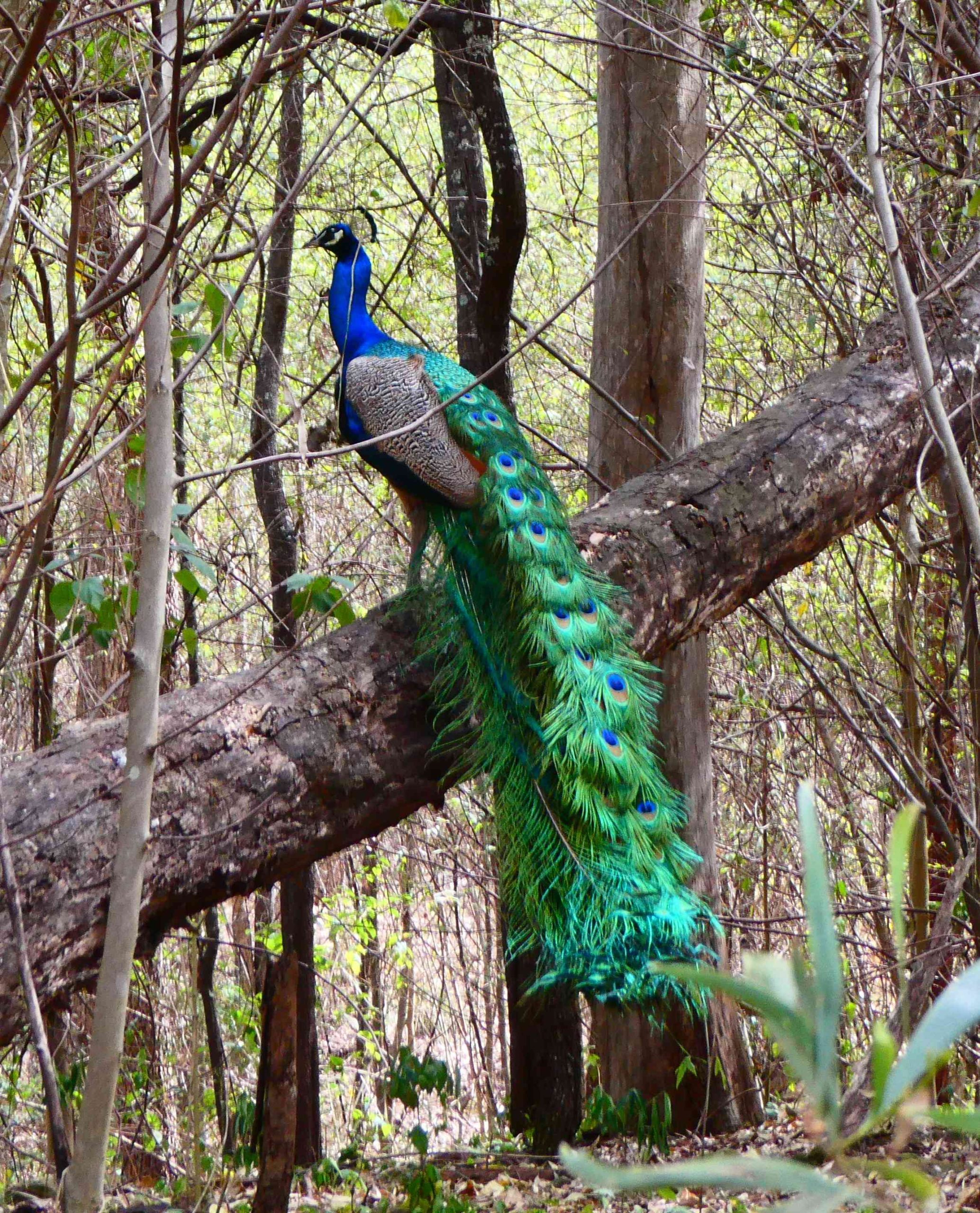
We’ve tried to walk lately where there might be water views or at least pools in the creeks to make us feel less ‘parched’! While this hasn’t necessarily worked (it’s just dry everywhere) it does mean that we have seen different types of reeds and other water-plants, and some lovely stands of Melaleucas that are used to having their feet in the wet. And we have had some nice sightings of waterbirds, particularly at Lake Samsonvale. At Hardings Paddock we even had the unusual sight of a feral peacock in full breeding plumage.
With the weather getting hotter as we move into summer, we will be starting most walks a bit earlier, from 7am or 7.30.
We invite all FBBGSA members to join us! No obligation – come on any of the walks that interest you.
We walk each Monday morning, meeting at about 7.30 am in summer, and finishing each walk around 11.30, with a coffee break and chat. Car-sharing is available
Want more information? See the FBBGSA website. Or contact Anne on 0408 093 307 or aelliott@powerup.com.au
✍️ Anne✍️
Explore with Friends
On the last Sunday morning of every month, a group of Friends explore a particular part of the Mt Coot-tha Gardens for an hour or so. We share our thoughts about the plants we find and we’re always discovering something new. Come along and enjoy getting to know more about our magnificent gardens.
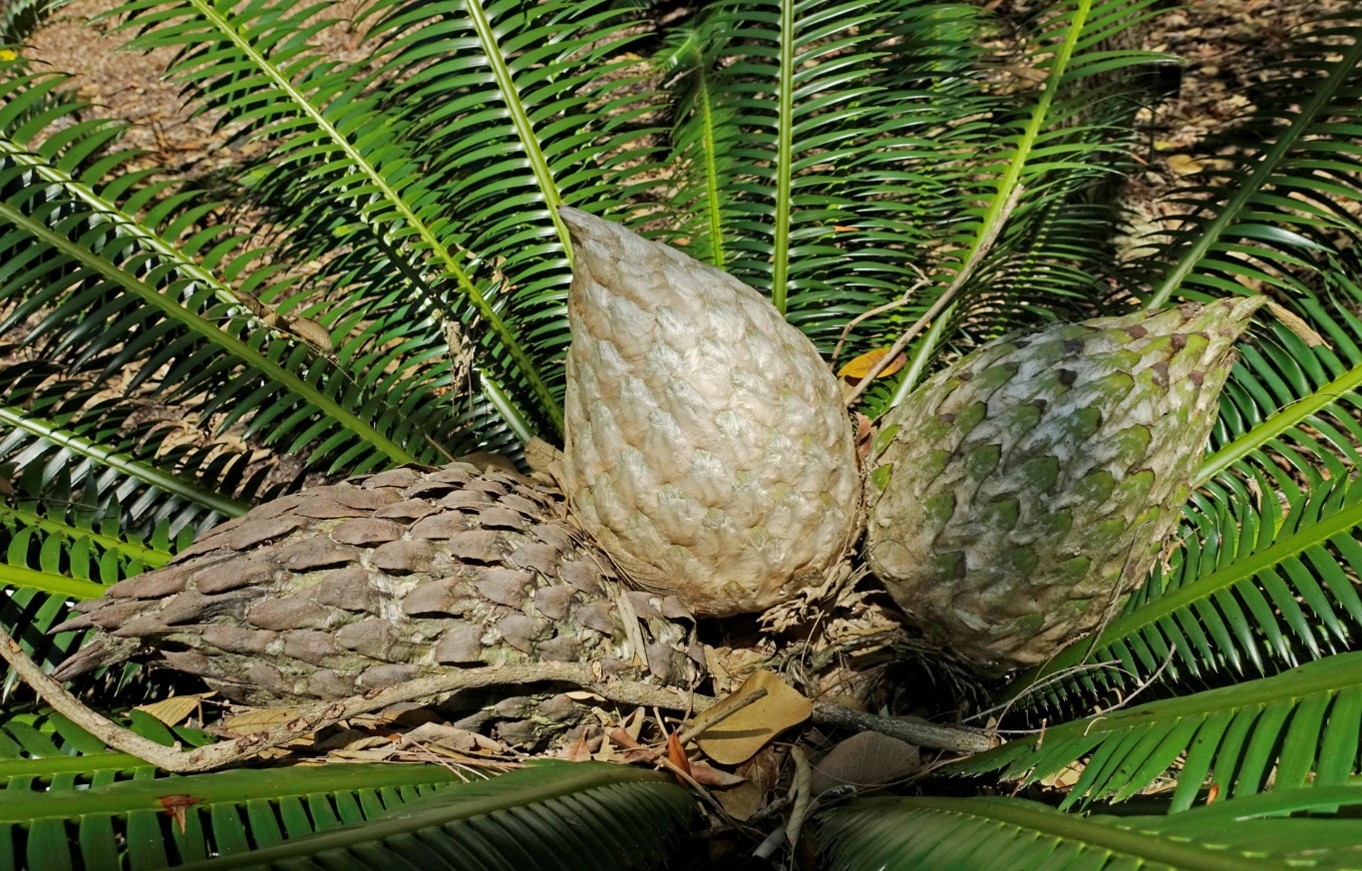
On our September walk, we explored the American Region Plants, on the slope below the lookout. We admired the American cycads (Dioon, Zamia and Ceratozamia species), with their elegant arching fronds. Zamia fischeri was striking for its unusually thin papery leaflets. A female Dioon mejiae had three cones at different stages. Many new specimens have recently been planted – it will be interesting to watch these as they grow.
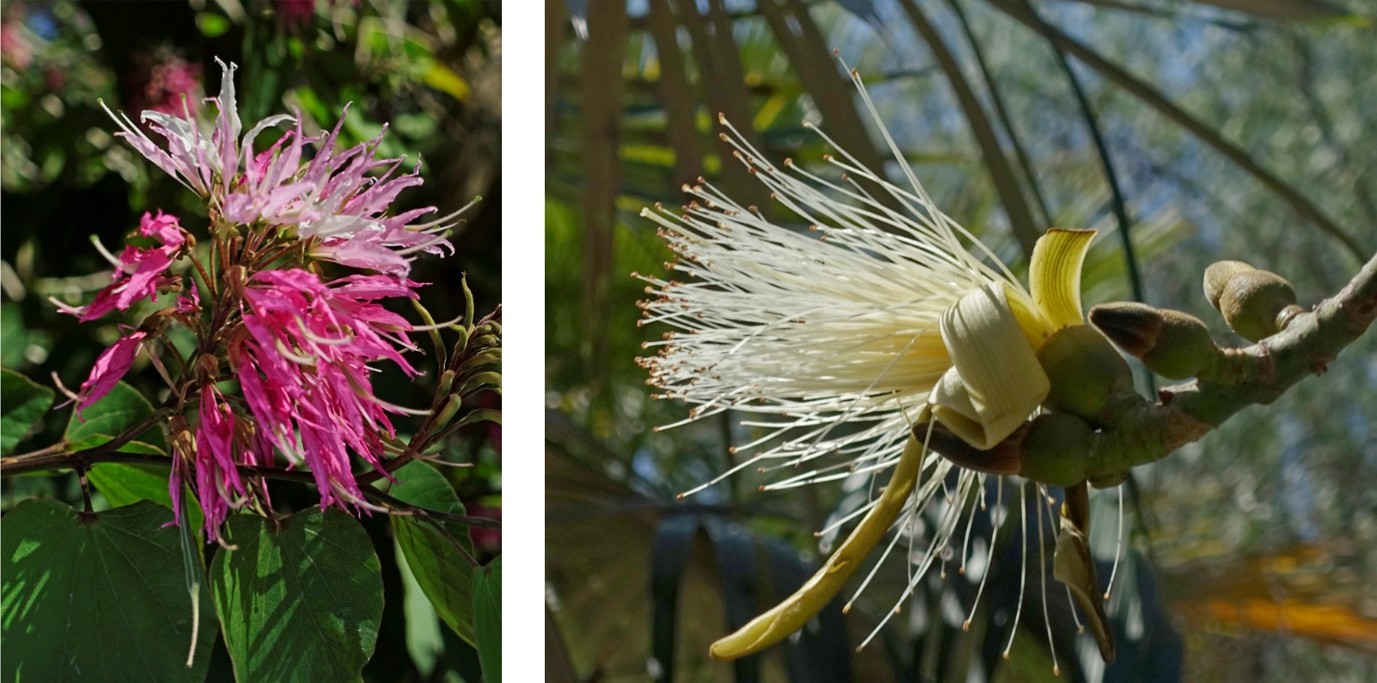
We were fascinated by the flowers of Pseudobombax palmeri (syn. Bombax palmeri). These have a brush of hundreds of long white-cream stamens. The tree had many unopened buds, so you may still be able to catch the flowers.
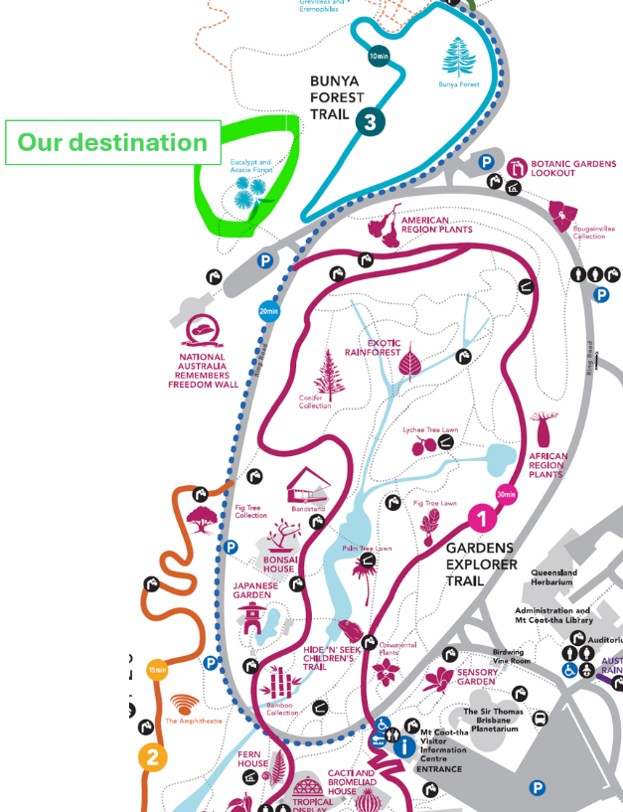
Sunday 25 October, 9.00 am – Eucalypt and Acacia Forest
We’ll be venturing down the path near the Freedom Wall into the valley, exploring these iconic Australian plant families.Come explore the American region plants on the bank below the road, below the lookout. If we’re lucky, the Tabebuia/Handroanthus (Golden Trumpet tree) may be flowering.
- Meet Helen at 9.00 am at the Friends Plant Sale at the Visitor Information Centre
- Walk starts at 9.05 am sharp. If you’re late, you’re welcome to try to catch up with us.
- The walk will still go ahead if it’s raining.
✍️ Ian ✍️
Kitchen Garden
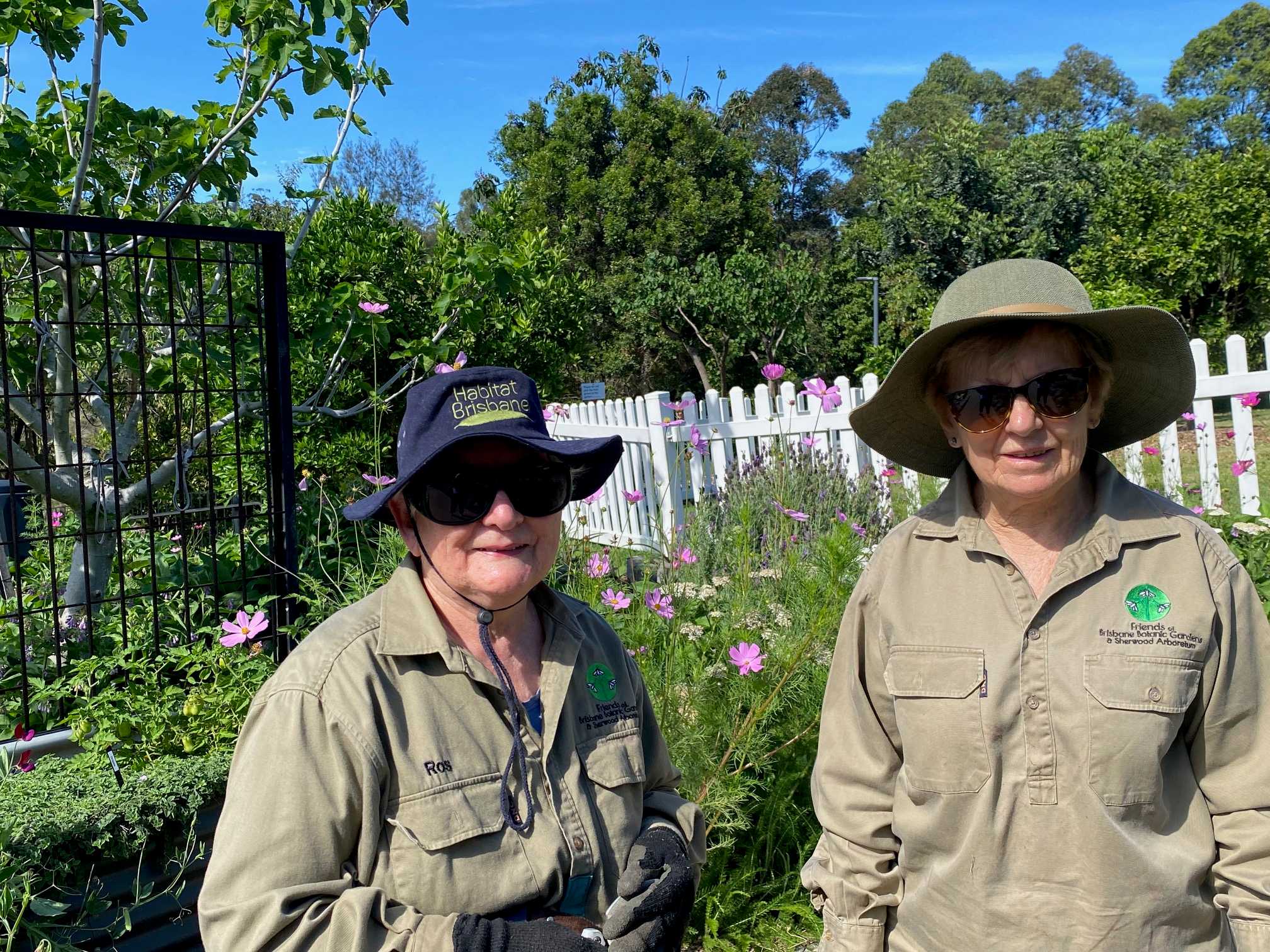
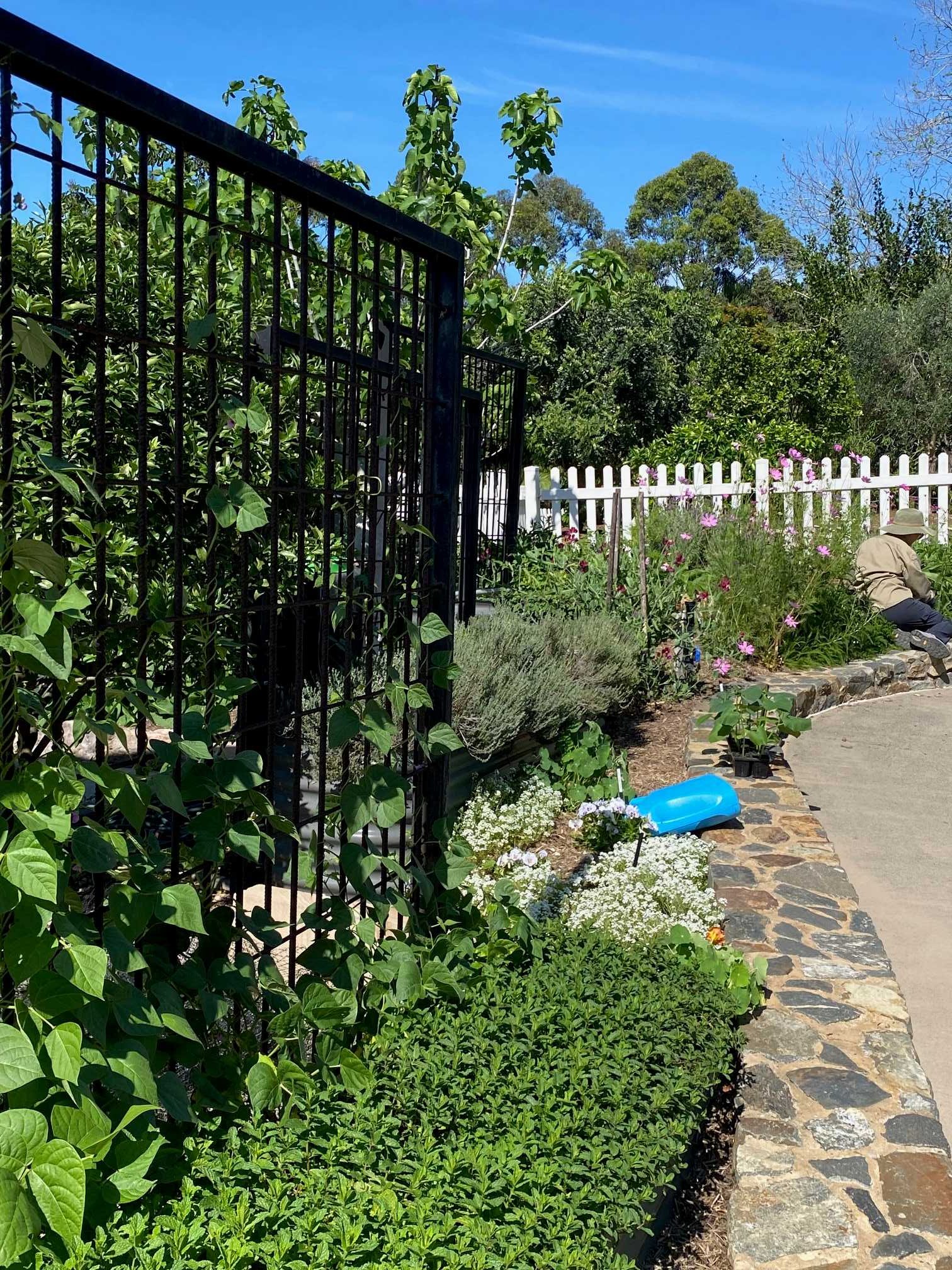
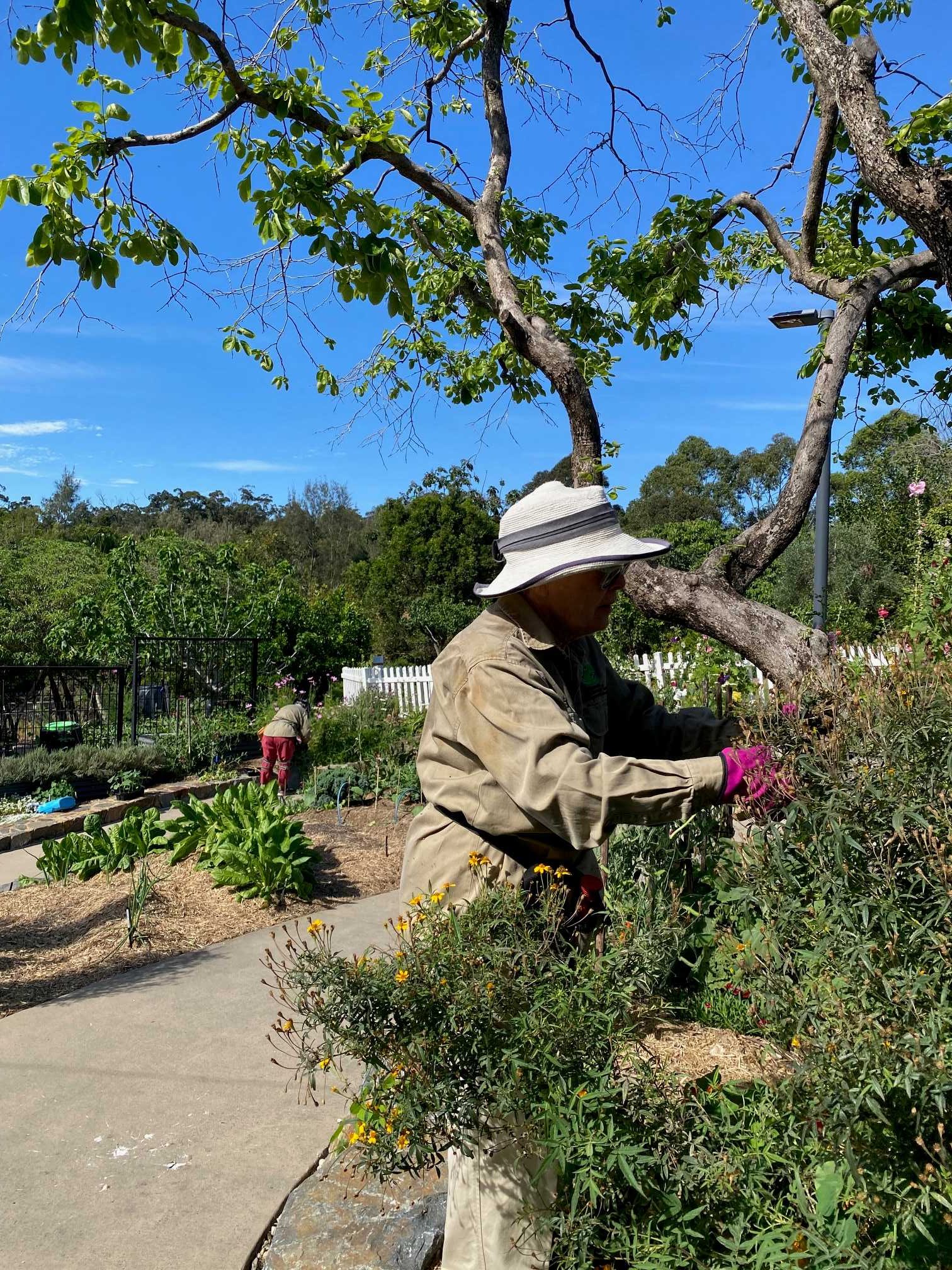
Our last day for the year in the Kitchen Garden. As you can see from the photos, the gardens are looking great, thanks to our group of volunteers who had another enjoyable and learning experience.
✍️ Editor, for Patty ✍️
Plant Propagating / Greenhouse
As the weather warms up, watering the pot plants at the greenhouse and the community plot becomes more of a regular necessity . Fortunately one of our members Paul has been able to visit over the weekend to water and check out how the plants are performing. Paul is also proficient at drilling drainage holes in the bottom of ceramic pots. This gives us a wider range of pots to complement the smaller plants and so much nicer than the plastic pots. Paul’s attention to detail is up there with Ros’s.
Ros has been attending to and adding to our succulent collection so the Christmas break-up on Sunday 22nd November will have some spectacular pots for sale.
Our next Visitor Centre sale at Mt Coot-tha is Sunday 25th October where we will have a range of plants. Let us know then if there is anything you would like to see us stock.
We hope to see you then.

✍️ Mary Jo ✍️
Coast to Coast UK Instalment 3
In August Lilygram, I outlined the first days of our Coast to Coast hike in the UK, from the west coast through the Lakes District. September Lilygram covered our trail over the Yorkshire Dales. This final episode sees us entering the North York Moors on day 12 as we headed east towards the coast and the North Sea.
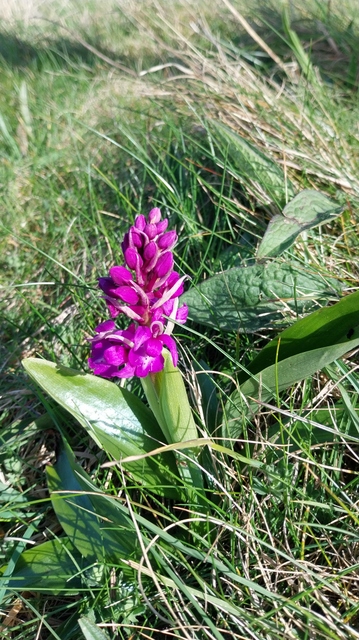
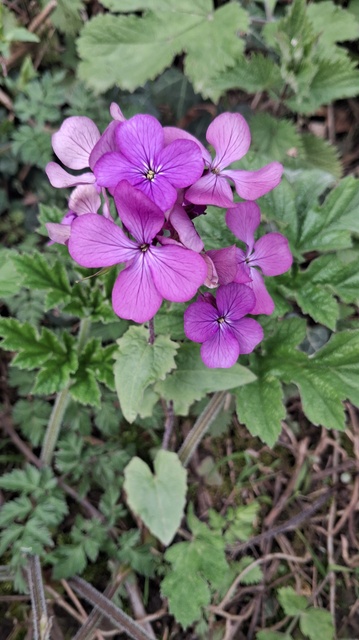
After leaving Danby Wiske, we passed through farmland, seeing many more cattle out in fields, even following us curiously! Appropriately, at our break in quaint, small Ingleby Cross, an Inn called Blue Bell heralded the mass of flowers we were about to see ahead in some Woods, just beginning to open. A couple of hours from our destination for the night, Osmotherley, we passed signage indicating we’d completed 140 miles (225km), with 50 (80km) to go. Further on, and up, we had splendid views of the verdant farmland we’d traversed.
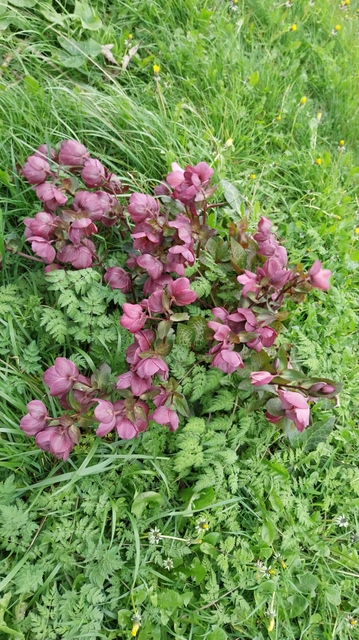
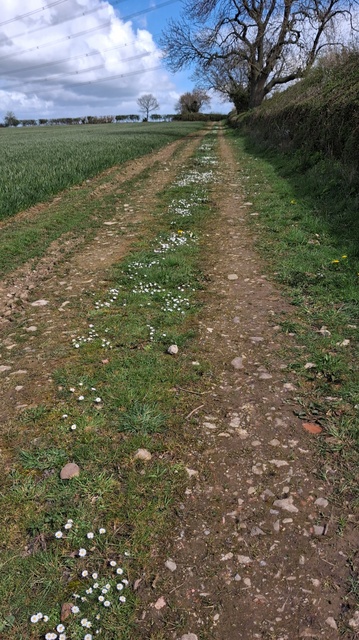
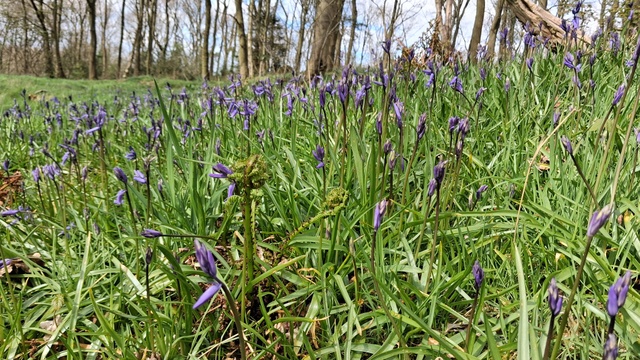
Day 13: Five Moors to cross, one involving climbing 3 peaks – some forest and then heather-covered hillsides which were some time from bursting into their rich purple Autumn colours, providing for us instead, a russet-hued contrast to distant green and gold (canola) fields in the plains below. We saw many pheasants and a bronze age burial mound; clambered around boulder outcrops and waved to fellow hikers ascending hills ahead of us. In the far distance we could just make out Captain Cook’s monument on Easby Moor, erected in 1827. Like most hikers, after our triumph over the Moors, we were transported 10 minutes to our hotel for the night, in Great Broughton.
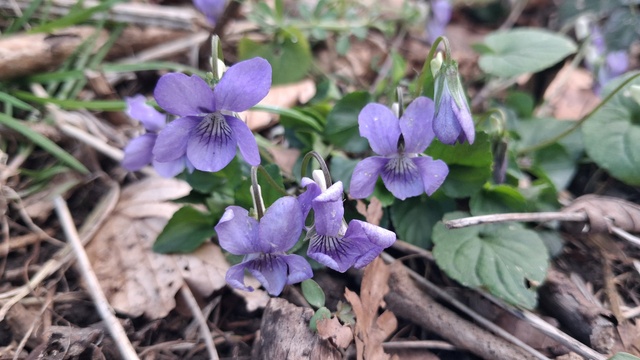
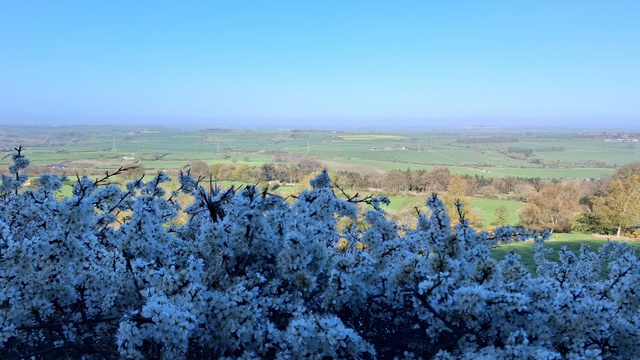
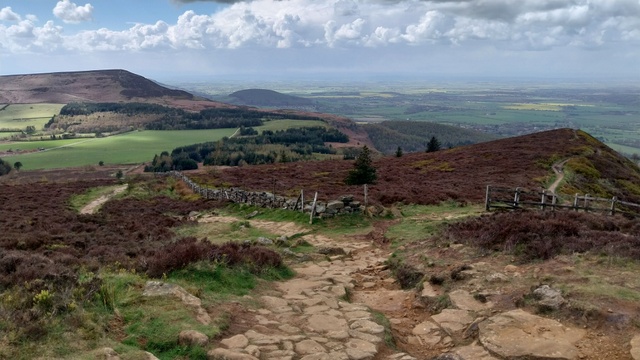
Day 14: More moors! And grouse, bronze coloured slopes and distant green fields. One club-footed grouse was a real media tart, permitting video footage and close-ups. We traversed on a former railway track and passed grouse hides and Standing Stones, many of which marked the boundary of the Earl of Feversham’s Estate, some dating back to the 17th century, and others even older, featuring carved “faces” and other features. We ended our hike at the isolated Lion Inn, established in 1553, perched on Blakey Ridge, with Farndale Valley to the west and Rosedale Valley to the east.
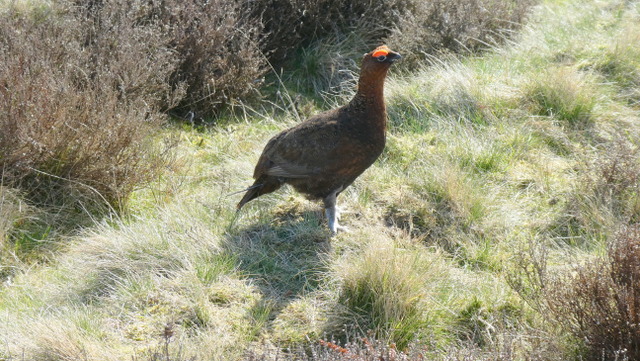
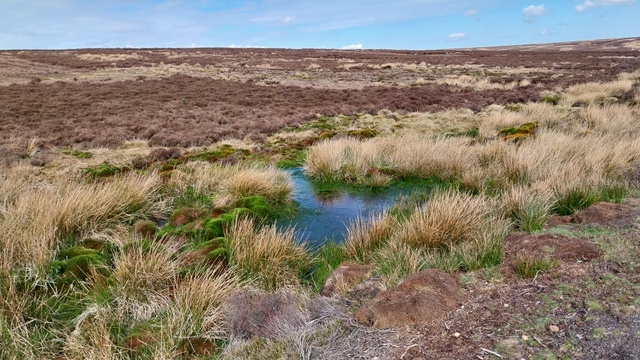
Day 15: Our morning through the Moors was in thick fog, very atmospheric. At Trough House shooters’ hut, we sat in the woodheap enclosure out of the gusting wind, avoiding a dead rabbit, and had our morning hot chocolate. The mist lifted but the wind intensified as we walked through Great Fryup Dale Heads, a dramatic 308m high ridge: grouse & moors with views of a glacial valley.
Rocky track into Glaisdale, a small village on the steep banks of River Esk, then we walked along the river through East Arncliffe Wood. Destination: Grosmont.
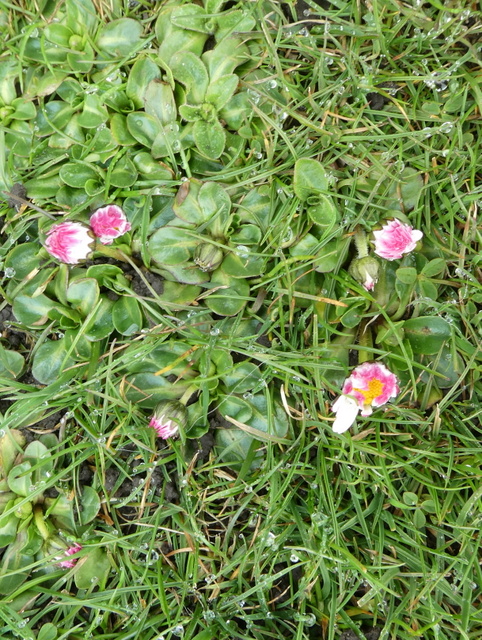
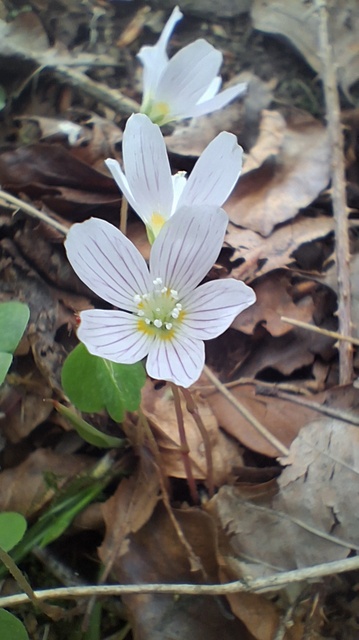
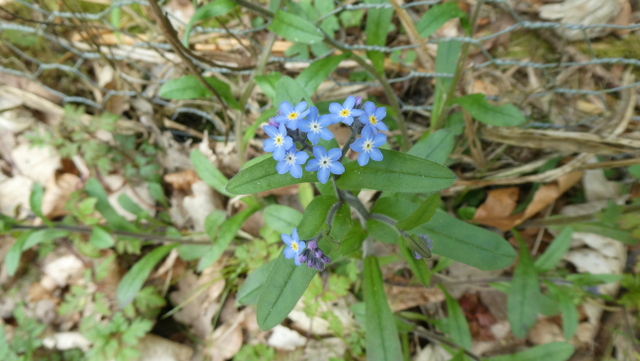
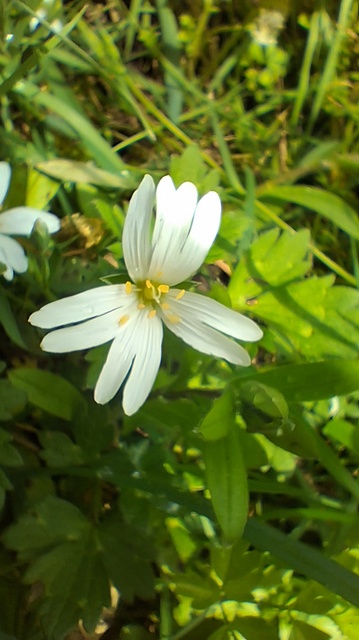
Day 16: Locals spoke with unseemly relish about the hill ahead of us: a 2km climb along a quiet bitumen road, some of it at 33%. But 16 days of training, and a number of benches (which we just had to use, after such scarcity), meant it was a doddle(!). Sleights Moor in a strong wind. A short route along busy Whitby Road, then a long descent on farm road to Little Beck village – where a gnome woodcarver worked for fifty years, in oak – that was his domain. Forest, then we sighted an adder; wildfire-destroyed moorland (amazingly, we could hear grassland birds, and even a cuckoo); coastal cliffs: several kilometres of undulations, interesting information boards and historical artefacts, sea breeze, and then we had Robin Hood’s Bay views. So endeth our hike of Britain’s Coast to Coast Walk, the Wainwright Trail – a joy in Springtime. THE END

✍️ Rob ✍️

Membership of Friends of Brisbane Botanic Gardens and Sherwood Arboretum is only $30 for 1 year or $50 for 2 years.
Join now, or Renew your Membership
Send articles to lilygram@fbbgsa.org.au before the end of the month